How Do I Explain Aggregator vs Orchestrator to My Boss?
Navigating the evolving landscape of AI tooling often introduces jargon that can confuse even seasoned professionals. Two terms that come up frequently—and often get conflated—are model aggregator and multi-model orchestrator. If you find yourself asking, “How do I explain aggregator vs orchestrator to my boss in plain English?” this blog post is for you.
We’ll unpack these concepts using real-world examples like Suprmind, Poe, and ChatGPT, grounding complex ideas such as sequential compounding intelligence vs parallel consensus mapping, and the role of structured disagreement as an internal debate. Along the way, we'll emphasize why shared thread context across multiple model invocations is such a critical capability for enterprise use cases.
Why This Matters: The Risk of "Hallucinations"
Anyone who has run vendor bake-offs or internal AI risk reviews knows how one misleading claim can derail a project launch. Terms like “enterprise-grade AI” need to come with explanations of where audit trails live—how teams find, review, and resolve disagreements between AI models or outputs. Understanding aggregators vs orchestrators helps set realistic expectations for what an AI platform can do, and why that matters for your business outcomes.
Defining the Basics: What Is a Model Aggregator?
At its core, a model aggregator is a tool or platform that brings together multiple AI models—often from different vendors or providers—into a single interface. The goal is simple: give users access to many models without switching platforms.
- Classic Example: Poe by Quora. Poe acts like a unified hub where users can ask questions and try out answers from different large language models (LLMs). It aggregates results into a single place.
- How it works: You type a question, Poe runs it through various LLMs like GPT-4, Claude, or Bard, and you see separate responses side-by-side.
Crucially, aggregators do not deeply integrate or combine model outputs—they present multiple outputs for the user Click here to compare or choose from.
Aggregator Use Cases & Limitations
- When to use: Quick evaluation of model differences, experimentation, or when you want raw access to diverse AI “opinions.”
- Limitations: No automatic blending of information or reasoning between models. No shared understanding or “memory” across outputs. Aggregators depend on users to interpret disagreements or varying outputs.
What Is a Multi-Model Orchestrator?
A multi-model orchestrator goes beyond https://stateofseo.com/091_which_is_safer_for_finance_workflows__suprmind_or_/ aggregation by orchestrating how multiple models work together to achieve a goal. Think of this as a conductor leading an orchestra—each section (model) plays specific parts at different times, feeding off and influencing each other to create a unified performance.
Unlike a model aggregator, a multi-model orchestrator:
- Invokes models sequentially or conditionally rather than all at once.
- Shares a thread context accessible by all model calls, enabling cumulative reasoning.
- Structures disagreements and divergent outputs as an internal debate the orchestrator can manage.
- Combines or refines outputs from multiple models into a single coherent response.
Example: Suprmind
Suprmind’s Platform exemplifies a modern multi-model orchestrator. It’s designed to perform “sequential compounding intelligence” where outputs from earlier model calls inform and refine subsequent calls. The goal is more than just side-by-side answers—it's to blend intelligence from diverse models to develop richer, higher-confidence responses.
Suprmind also enables parallel consensus mapping—running multiple models in parallel, analyzing their agreements and disagreements, then elevating the majority or highest-confidence view within the system as authoritative.

Why Structured Disagreement Matters
One of the hallmarks of orchestrators like Suprmind is their ability to formalize disagreement as an internal debate. Rather than ignoring contradictory outputs or flooding the user with raw options (as aggregators often do), orchestrators:
- Detect inconsistencies between model responses.
- Track provenance of pieces of information.
- Enable audit trails so human reviewers can understand why one viewpoint was chosen over another.
This mechanism is critical for enterprise AI adoption because it addresses one of the biggest risks: AI hallucinations. When AI outputs diverge, orchestrators can highlight, interrogate, and resolve those differences under human or automated supervision.
Sequential Compounding Intelligence vs Parallel Consensus Mapping
These two terms describe different approaches orchestrators take:
Sequential Compounding Intelligence Parallel Consensus MappingInvokes models in a sequence where each step builds on the previous. For example, one model generates a draft response, another refines it, and a third fact-checks it. This chain creates cumulative intelligence.
Invokes multiple models simultaneously on the same input, then compares results to identify consensus or disagreements. The orchestrator chooses a final answer based on majority vote, confidence scores, or predefined rules.
Strength: Enables complex reasoning workflows and stepwise refinement.
Strength: Reduces the risk of biased answers by leveraging multiple perspectives simultaneously.
Example: Suprmind’s sequence of models for deep document analysis.
Example: Parallel model voting in platforms that run GPT-4, Claude, and Bard together, then aggregate.
Shared Thread Context: The "Memory" Across Model Calls
One critical technical difference is how aggregators and orchestrators handle context. Aggregators typically treat each model invocation independently—sort of like multiple one-off conversations you have to stitch together in your head. Orchestrators, on the other hand, maintain a shared thread context accessible across multiple models and calls.
This shared context means:
- Models can refer to prior outputs, making the combined intelligence greater than the sum of parts.
- Information discovered or decisions made early in the process remain accessible for subsequent steps.
- Audit logs and review histories are naturally integrated, enabling teams to follow “why” a final answer looks the way it does.
In plain English: orchestrators create AI conversations that feel like ongoing, evolving discussions within a team, rather than isolated, disconnected replies.
How ChatGPT Differs in This Context
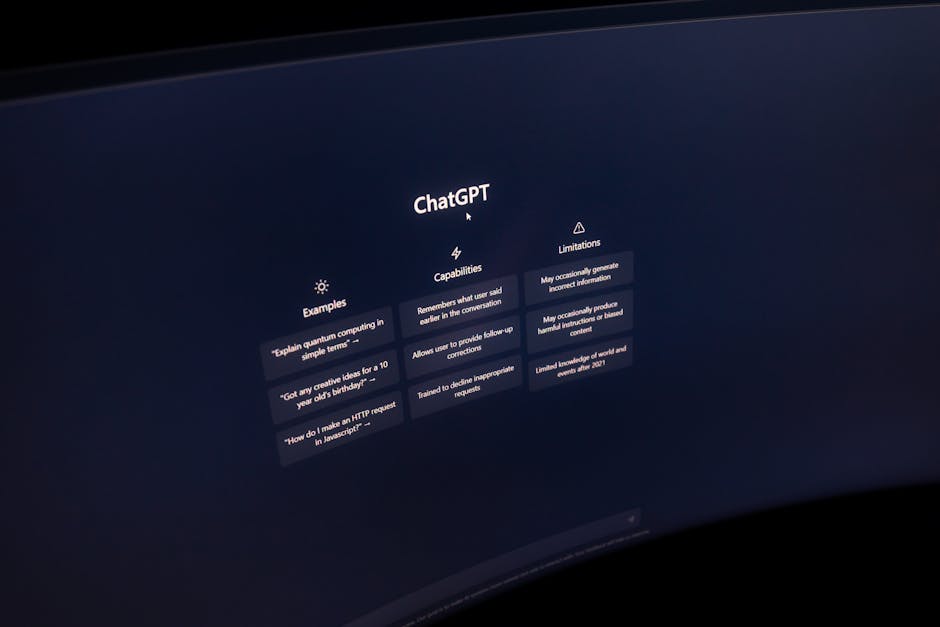
ChatGPT by OpenAI is a powerful conversational model but is primarily a single-model interface in most UI incarnations today. While it supports some plugins and external data calls, it is not inherently designed as a multi-model orchestrator or full aggregator platform.
Why mention ChatGPT here?
- Many users compare new AI tools against ChatGPT because of its accessibility and performance.
- Understanding chatbot strengths/limitations helps clarify what value adding aggregators or orchestrators bring for enterprise needs.
Suprmind and Poe represent different steps on the AI platform evolution ladder, illustrating how multi-model intelligence platforms go well beyond what a single conversational model like ChatGPT can deliver today.
Summary: Explaining in Plain English
Term Plain English Explanation Example Model Aggregator A dashboard that pulls responses from many AI models at once to compare answers side-by-side. Poe—You ask one question, see many answers and pick one yourself. Multi-Model Orchestrator A platform that runs multiple AI models in a coordinated way, combining their strengths, sharing context, and managing debates between models to produce one trusted answer. Suprmind—one model drafts an answer, another checks facts, a third refines wording all within one conversation.Why This Distinction Should Matter to Your Boss
When presenting AI capabilities to leadership, it’s vital to avoid hand-wavy “enterprise-grade” claims and instead focus on:
- Auditability: Can your teams trace how an AI answer was developed?
- Risk management: How does the AI system detect and handle hallucinations?
- Usability: Are your users asked to make sense of divergent AI opinions (aggregator) or do they get a refined answer (orchestrator)?
- Scalability: Will your AI workflows compound intelligence over time or just help surface different single-model answers?
Knowing whether a product is an aggregator or an orchestrator reveals what kinds of internal controls, refinement, and reliability your AI platform can realistically provide.
Further Learning: Dive Deeper
For those who want to see how Suprmind approaches multi-model orchestration in practice, check out their detailed walkthrough—it’s an excellent resource showcasing sequential compounding and internal model debates in action.
Final Thought: What Changes My View by 4 PM?
As someone who insists on grounding evaluations in facts and auditability, I always ask myself, “What new evidence or demos by 4 PM would cause me to change my view on whether this is just aggregation or true orchestration?” If your vendor can’t clearly show audit trails, shared thread context, and structured disagreement handling, you’re likely dealing with an aggregator hiding as an orchestrator.
By asking this simple, time-boxed question during demos or vendor reviews, you keep the conversation focused on what truly matters for enterprise AI success: transparency, control, and meaningful multi-model intelligence.
Have feedback or want a tailored briefing for your leadership team on this topic? Drop a comment below or reach out via our contact page!